
Severe injuries caused by accidents, falls, violence, or workplace incidents can be life-threatening within minutes. Thanks to advances in modern surgery, trauma care today is faster, safer, and more effective than ever before. From emergency response to advanced surgical techniques, modern medicine has transformed survival outcomes for critically injured patients.
Immediate Emergency Response
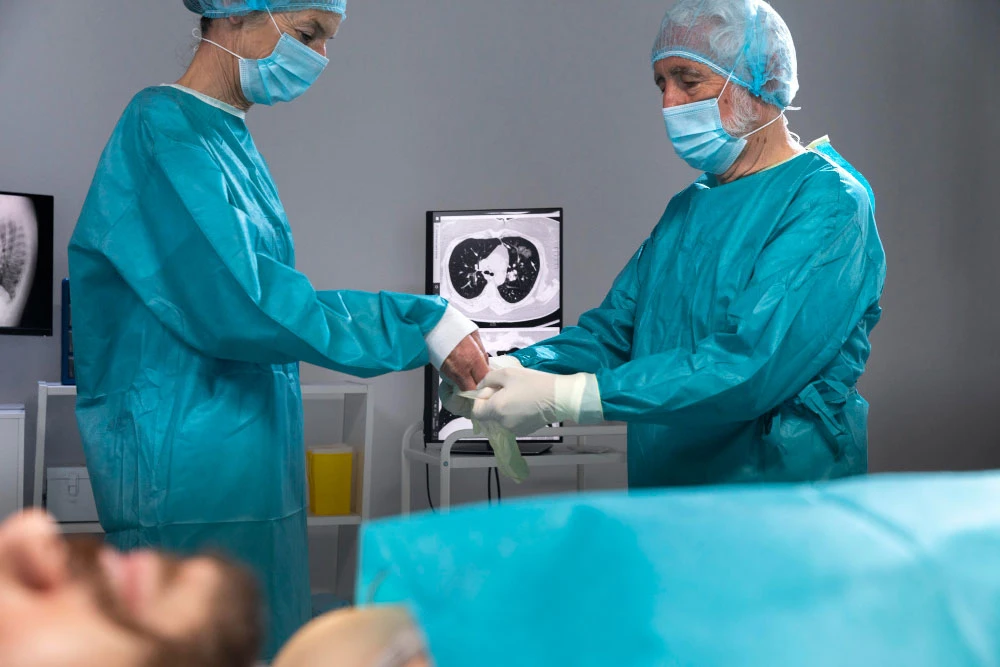
Modern trauma care begins the moment a patient reaches the emergency department. Advanced diagnostic tools like CT scans, ultrasound (FAST scans), and digital X-rays help doctors quickly identify internal bleeding, organ damage, or fractures. Rapid assessment allows surgeons to make life-saving decisions without delay.
Damage Control Surgery
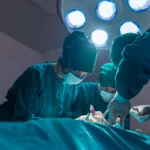
In critical cases, surgeons perform damage control surgery, focusing on controlling bleeding, preventing infection, and stabilizing vital organs. Instead of lengthy procedures, this approach prioritizes saving the patient’s life first and completing reconstruction later, significantly reducing mortality rates.
Minimally Invasive Surgical Techniques
Modern surgery often uses laparoscopic and robotic-assisted procedures, which require smaller incisions. These techniques reduce blood loss, minimize pain, lower infection risk, and speed up recovery—especially important for trauma patients whose bodies are already under stress.
Advanced Blood Loss Management
Severe injuries often result in massive blood loss. Modern trauma centers use rapid blood transfusion systems, clotting factor therapy, and balanced resuscitation techniques to restore circulation quickly and prevent shock. These advances have dramatically improved survival rates.
Improved Critical Care and Monitoring
Post-surgery, patients are treated in advanced Intensive Care Units (ICUs) equipped with continuous monitoring systems. These systems track heart rate, oxygen levels, brain activity, and organ function in real time, allowing doctors to detect and address complications immediately.
Multidisciplinary Trauma Teams
Modern trauma care is led by highly trained multidisciplinary teams including trauma surgeons, anesthesiologists, neurosurgeons, orthopedic specialists, and critical care nurses. This coordinated approach ensures comprehensive treatment for complex injuries involving multiple organs.
Faster Rehabilitation and Recovery
Advances in surgical techniques and post-operative care allow patients to begin early rehabilitation, reducing complications and improving long-term outcomes. Physical therapy, pain management, and wound care are tailored to help patients regain strength and mobility faster.
Conclusion
Modern surgical advancements have revolutionized trauma care, turning once-fatal injuries into survivable events. With rapid diagnosis, minimally invasive techniques, expert trauma teams, and advanced critical care, modern surgery continues to save lives and restore hope after severe injury.